
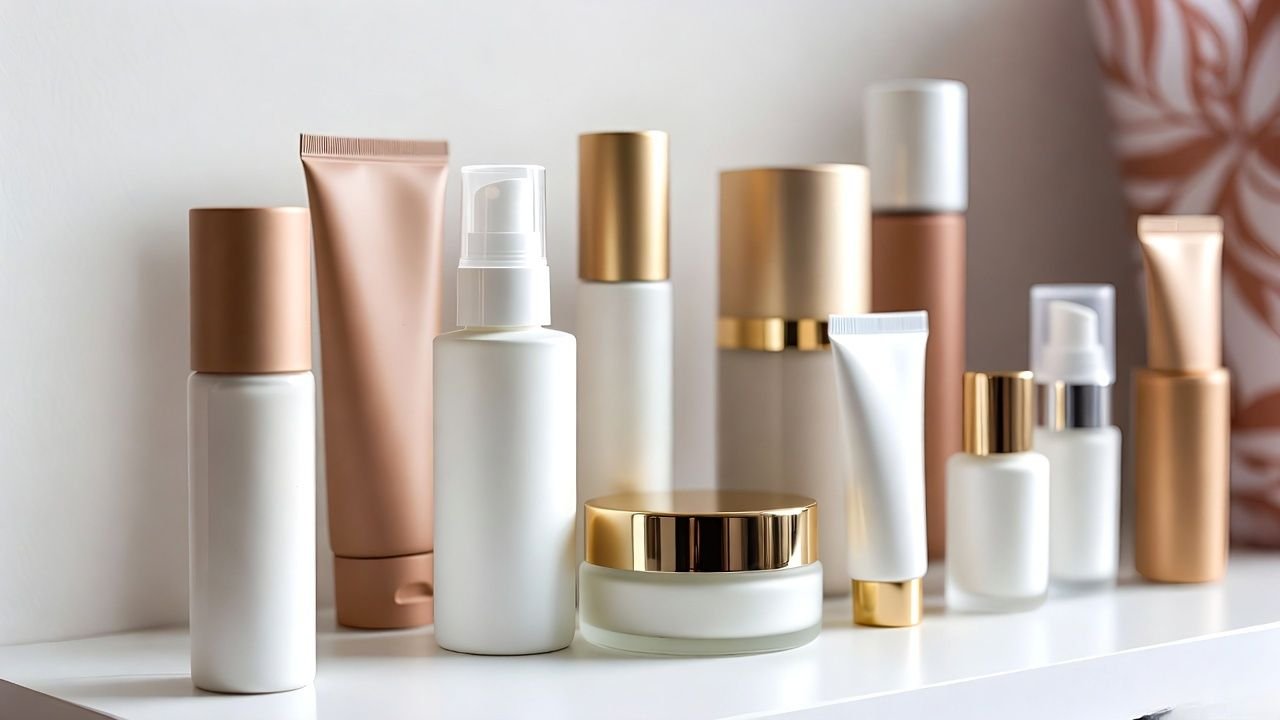
How To Create a Cosmetic Brand in 2026: The Complete Step-by-Step Guide
The beauty industry is one of the most resilient and fast-growing markets in the world. Even through economic downturns, recessions, and global disruptions, people continue to invest in skincare, makeup, and personal care products. In 2026, the global cosmetics market is valued at over $500 billion and continues to climb, driven by shifting consumer values, digital commerce, and a culture that celebrates self-expression like never before.
But here’s the truth: launching a cosmetic brand today is both easier and harder than it’s ever been. Easier because the tools, technology, and infrastructure available to indie founders are extraordinary. Harder because the market is saturated, competition is fierce, and consumers are incredibly discerning. They can spot inauthenticity from a mile away, and they have no shortage of alternatives.
So if you’re serious about building a cosmetic brand in 2026, this guide will walk you through every critical step — from finding your niche to getting your products on shelves (or in digital carts). Let’s get into it.
Step 1: Define Your Brand Identity and Niche
Before you touch a formula, a logo, or a website — you need to answer the most important question: Who are you, and who are you for?
The cosmetics industry is enormous, which means you cannot try to serve everyone. The brands that thrive in 2026 are the ones that serve a specific community with laser focus. A niche isn’t a limitation — it’s a superpower.
Ask yourself these questions to start carving out your space:
What problem does your brand solve? Is it clean formulas for sensitive skin? Inclusive shades for deeper skin tones? Long-wear products for people who don’t have time to reapply? High-performance skincare for athletes? Budget-friendly options that don’t compromise quality? Every successful brand solves a real problem for a real person.
Who is your ideal customer? Get specific. Not “women aged 18–35” — that’s too broad. Think about her lifestyle, her values, where she spends time online, what she reads, what she hates about products she’s currently using, and what she’d be thrilled to find. The more detailed your customer avatar, the sharper your brand will be.
What do you stand for? In 2026, brand values are non-negotiable. Consumers — especially Gen Z and younger millennials — actively research the ethics behind the brands they support. Are you cruelty-free? Vegan? Sustainable? Woman-owned? Focused on inclusivity? Your values need to be authentic and baked into the brand from day one, not added as an afterthought.
What’s your brand personality? Luxury and aspirational? Fun and playful? Clinical and science-forward? Earthy and wellness-focused? Your personality will shape everything from your visual design to your tone of voice on social media.
Once you have clear answers to these questions, write a brand positioning statement. Something like: “[Brand Name] is a [category] brand for [target audience] who want [key benefit], unlike [competitors], we [key differentiator].” Keep it simple. Keep it true.
Step 2: Research the Market and Your Competitors
With your niche in mind, it’s time to dig into the market. This phase is about intelligence gathering — understanding what already exists, where the gaps are, and how you can position yourself to stand out.
Competitive analysis is your starting point. Identify 5–10 brands that occupy a similar space, including both direct competitors (same product category, same audience) and indirect ones (different products, same audience). Study their brand identity, pricing, product range, marketing strategy, packaging, and customer reviews. What are their customers loving? What are they complaining about? Those complaints are your opportunities.
Trend research is equally important. In 2026, some of the most significant trends shaping the cosmetics industry include the rise of skin-first makeup (products that treat and enhance simultaneously), AI-powered personalization, waterless and sustainable formulations, adaptogens and biotech ingredients, and the continued explosion of fragrance as a lifestyle category. Platforms like Mintel, Euromonitor, TrendWatching, and even TikTok’s trending content can give you a real-time pulse on where consumer interest is heading.
Pricing analysis helps you figure out where to position your brand. Are you going mass-market, mid-range, prestige, or ultra-luxury? Each tier has different expectations around packaging quality, ingredient sourcing, marketing, and customer service. Be realistic about your cost of goods and what your target customer is willing to pay.
The goal here isn’t to copy what others are doing — it’s to understand the landscape well enough to find a white space that is uniquely yours.
Step 3: Develop Your Products
This is where the magic happens — and where many new founders get overwhelmed. There are several routes to product development, and the right one depends on your budget, expertise, and goals.
Working with a Contract Manufacturer or Lab
For most indie founders, partnering with a contract manufacturer (also called a private label or white label supplier) is the most practical starting point. These manufacturers have existing formulas you can customize, or they can develop something entirely bespoke for you.
When vetting manufacturers, look for ones with experience in your product category, relevant certifications (GMP — Good Manufacturing Practices — is essential), the ability to produce at your minimum order quantity (MOQ), and a track record with indie brands similar to yours. Don’t be afraid to request references and samples before committing.
Formulating Your Own Products
If you have a background in cosmetic chemistry or are willing to invest in formal training, formulating your own products gives you complete creative control and can dramatically differentiate your brand. Independent formulators who run small-batch operations have become increasingly popular in 2026, fueled by platforms that connect cosmetic chemists directly with entrepreneurs.
Key Considerations in Product Development
Ingredients matter more than ever. Consumers in 2026 are ingredient-literate. They read labels, search for actives, and avoid certain chemicals. Whether you’re going clean, clinical, or conventional, know your ingredients inside-out and be prepared to explain your formulation choices.
Testing is non-negotiable. Your products must be stability-tested (to ensure they don’t degrade over time), safety-tested (to confirm they won’t cause harm), and if you’re making any efficacy claims, you’ll want clinical testing to back those up. Skipping testing is not only dangerous — it can destroy your brand overnight if a safety issue emerges.
Packaging is part of the product. The container, material, applicator, and design all affect product performance, consumer experience, and shelf appeal. Think about sustainability too — packaging waste is a major consumer concern, and brands that have embraced refillable, recyclable, or minimal packaging are winning loyalty points.
Step 4: Navigate Regulations and Compliance
One of the areas that trips up new cosmetic founders the most is regulatory compliance. The rules vary significantly depending on where you plan to sell, and ignorance is no excuse when it comes to legal requirements.
In the United States, cosmetics are regulated by the FDA under the Federal Food, Drug, and Cosmetic Act. In 2023, the Modernization of Cosmetics Regulation Act (MoCRA) significantly expanded FDA’s authority over cosmetics, introducing new requirements around facility registration, product listing, safety substantiation, and adverse event reporting. If you’re selling in the U.S. in 2026, MoCRA compliance is essential — not optional.
In the European Union, cosmetics are regulated under EU Cosmetics Regulation No. 1223/2009. Products require a Cosmetic Product Safety Report (CPSR) prepared by a qualified safety assessor, and must be notified through the EU’s CPNP (Cosmetic Products Notification Portal) before being placed on the market.
In other markets — UK, Canada, Australia, China, etc. — there are different sets of regulations. If you plan to sell internationally, research each market’s requirements or work with a regulatory consultant who specializes in cosmetics.
Key compliance areas to be aware of include: ingredient restrictions and prohibited substances (what’s banned in one market may be allowed in another), labeling requirements (ingredient lists, batch codes, country of origin, net contents, etc.), and claims substantiation (you need evidence for any claim you make about what your product does).
Hiring a cosmetic regulatory consultant is money well spent, especially in your early stages. Getting this wrong can mean product recalls, fines, and irreparable damage to your brand.
Step 5: Build Your Brand Visual Identity
By this point, you have a niche, a product, and a legal foundation. Now it’s time to build the visual and verbal identity that will make your brand memorable and desirable.
Your brand name should be distinctive, easy to pronounce and remember, and ideally available as a trademark and domain name. Run a trademark search before falling in love with a name — trademark conflicts are a nightmare to navigate after you’ve invested in branding.
Your logo and visual system should reflect your brand personality and resonate with your target customer. Work with a graphic designer who has experience in beauty or consumer brands. Your visual system includes your logo, color palette, typography, photography style, and graphic elements — and it needs to be consistent across every touchpoint, from your packaging to your Instagram to your website.
Your packaging design is arguably the single most important piece of your brand identity in cosmetics. People buy with their eyes first. The packaging communicates your brand values, quality, and positioning before the customer ever tries the product. Invest in great packaging — it will pay back many times over.
Your brand voice is how you speak to your customer in every piece of written communication. Is your voice direct and informative? Warm and encouraging? Bold and irreverent? Poetic and aspirational? Define it with clear guidelines and stay consistent.
Step 6: Set Up Your Business Infrastructure
A great brand needs a solid operational foundation. Here’s what you need to have in place before you start selling.
Register your business. Choose the right legal structure (sole proprietorship, LLC, corporation) for your situation, and register in the appropriate jurisdiction. Consult a lawyer or accountant if you’re unsure.
Get the necessary licenses and permits. Depending on your location and product type, you may need manufacturing permits, cosmetics business licenses, and other local or state-level authorizations.
Open a dedicated business bank account and set up proper accounting from day one. Mixing personal and business finances is a costly mistake that creates massive headaches at tax time.
Protect your intellectual property. Trademark your brand name and logo. If you have unique formulas, discuss trade secret protections with an IP lawyer. In a competitive market, your brand assets are valuable — protect them.
Build your supply chain. Establish relationships with your manufacturer, packaging suppliers, and any raw ingredient suppliers. Understand your lead times, MOQs, and backup options. Supply chain disruptions are a real risk — having contingency plans matters.
Set up your e-commerce infrastructure. In 2026, most indie cosmetic brands launch direct-to-consumer (DTC) first. Platforms like Shopify remain dominant for beauty brands, offering excellent integration with marketing tools, payment processors, and fulfillment services. Make sure your site is fast, mobile-optimized, and conversion-focused.
Step 7: Price Your Products for Profit
Many new founders underprice their products out of fear that customers won’t pay more. This is a fatal mistake. Underpricing destroys margins, undervalues your brand, and makes sustainability impossible.
A basic pricing framework for cosmetics: Cost of Goods Sold (COGS) includes your formula/manufacturing cost, packaging, labeling, and any testing or compliance costs. Most beauty brands aim for a keystone markup of at least 4–6x COGS for direct-to-consumer, and up to 8–10x if you plan to sell through wholesale or retail.
Think about: What does your target customer expect to pay in your niche? What are your competitors charging? What price point supports your brand positioning? And critically — can you make money at this price?
Don’t forget to factor in marketing costs, platform fees, fulfillment and shipping, returns, and customer acquisition. Running a cosmetics brand is expensive, and your pricing needs to account for the full picture.
Step 8: Build Your Marketing and Launch Strategy
You can have the best product in the world, but if nobody knows it exists, it won’t sell. Marketing is not optional — it’s the engine that drives growth.
Content and Social Media
In 2026, social commerce is the primary discovery channel for cosmetic brands. TikTok, Instagram, and YouTube (and whatever new platform has emerged by the time you’re reading this) are where your customers live. Your content strategy should be built around education, authenticity, and entertainment.
Show the behind-the-scenes of your brand. Teach people how to use your products. Share the story of why you started the brand. Demonstrate results. Be real — not overly polished. The brands winning on social media in 2026 are the ones that feel like they’re run by real people with genuine passion.
Influencer and Creator Partnerships
Influencer marketing remains one of the highest-ROI channels for beauty brands, but the approach has evolved. Mega-influencers with millions of followers are less effective than micro and nano creators (10k–100k followers) who have deep trust with niche communities. Identify creators who genuinely align with your brand values and target audience — not just those with the biggest numbers.
Consider a gifting strategy in your early stages to generate authentic reviews and user-generated content, then build paid partnerships with creators who deliver real results.
Email Marketing
Don’t sleep on email. It’s owned media — not subject to algorithm changes — and consistently delivers strong ROI. Build your email list from day one through your website, social media, and any in-person activations. Use it to tell your brand story, launch new products, share educational content, and reward your most loyal customers.
Launch Events and PR
A well-executed launch can create significant buzz. Think about how you can create a memorable moment — a pop-up activation, a press gifting campaign, a launch event for key influencers and press. Beauty editors and journalists still hold influence, especially in prestige and clean beauty spaces.
Paid Advertising
Once you have some organic traction and understand your customer, paid ads on Meta (Instagram/Facebook) and TikTok can accelerate growth. Start small, test rigorously, and scale what works. In 2026, AI-powered ad platforms have made targeting more efficient, but strong creative is still the most important variable in ad performance.
Step 9: Choose Your Sales Channels Strategically
Where you sell is as important as what you sell. The right channel strategy depends on your brand positioning, margin requirements, and target customer.
Direct-to-Consumer (DTC) via your own website gives you full control, maximum margins, and direct customer relationships. This should almost always be your primary channel, especially at launch.
Marketplaces like Amazon, TikTok Shop, and Nykaa (in South Asia) offer access to massive existing audiences but come with fierce price competition, algorithm dependency, and limited brand control. They can be powerful supplementary channels once you’re established.
Wholesale and Retail — getting into boutiques, spas, or independent beauty retailers is a meaningful brand-building milestone. Multi-brand retailers like Sephora, ULTA, and Cult Beauty carry prestige and drive credibility, but their terms (margins, marketing requirements, logistics demands) are significant. These partnerships typically make more sense once your brand has proven traction.
Subscription models have become a compelling channel for brands with consumable products. A well-structured subscription box or replenishment program drives predictable revenue and deepens customer loyalty.
Step 10: Launch, Learn, and Iterate
No matter how much you prepare, your launch will teach you things you couldn’t have anticipated. Embrace this. The best founders are relentlessly iterative — they launch, listen, adjust, and improve.
Pay close attention to your data from day one: Which products sell best? Where are people dropping off on your website? What feedback are you getting in reviews and DMs? What’s your customer acquisition cost? What’s your retention rate? These metrics tell the real story of your brand’s health and point you toward where to invest next.
Be responsive to your community. Reply to comments and messages. Ask for feedback. Run surveys. The customers who find you early are giving you incredibly valuable information — use it.
Build a culture of continuous improvement. Update formulas when you can make them better. Redesign packaging that isn’t working. Kill products that don’t sell. Double down on what resonates.
The Mindset Behind a Successful Cosmetic Brand
Beyond all the tactics and steps, there is one thing that separates the brands that succeed from the ones that don’t: relentless commitment to a genuine vision.
The cosmetics market is crowded. New brands launch every week. The ones that break through are not necessarily the ones with the biggest budgets or the most famous founders. They’re the ones with a clear point of view, a deep understanding of their customer, and the resilience to keep going when the early months are hard — because they will be.
Build something you believe in. Solve a real problem. Serve your community with integrity. And never stop learning about the industry, your customer, and your craft.
The beauty industry has always been about helping people feel their best. If that’s your north star, you’re already in the right business.
Quick Summary Checklist
To recap, here are the ten core steps to creating a cosmetic brand in 2026:
- Define your brand identity, niche, and target customer
- Research the market, competitors, and trends
- Develop your products through the right manufacturing route
- Understand and comply with cosmetic regulations in your target markets
- Build a compelling visual identity and brand voice
- Set up your legal, financial, and operational infrastructure
- Price your products for sustainable profitability
- Build a marketing strategy centered on content, creators, and community
- Choose the right sales channels for your stage of growth
- Launch, gather data, learn, and continuously improve
The path from idea to brand is long and demanding — but for those who do it right, the rewards are extraordinary. The beauty industry needs new voices, new perspectives, and new solutions. Yours could be one of them.